
How to Select the Right Diaphragm Filter Press for Large-Scale Industrial Slurry Filtration
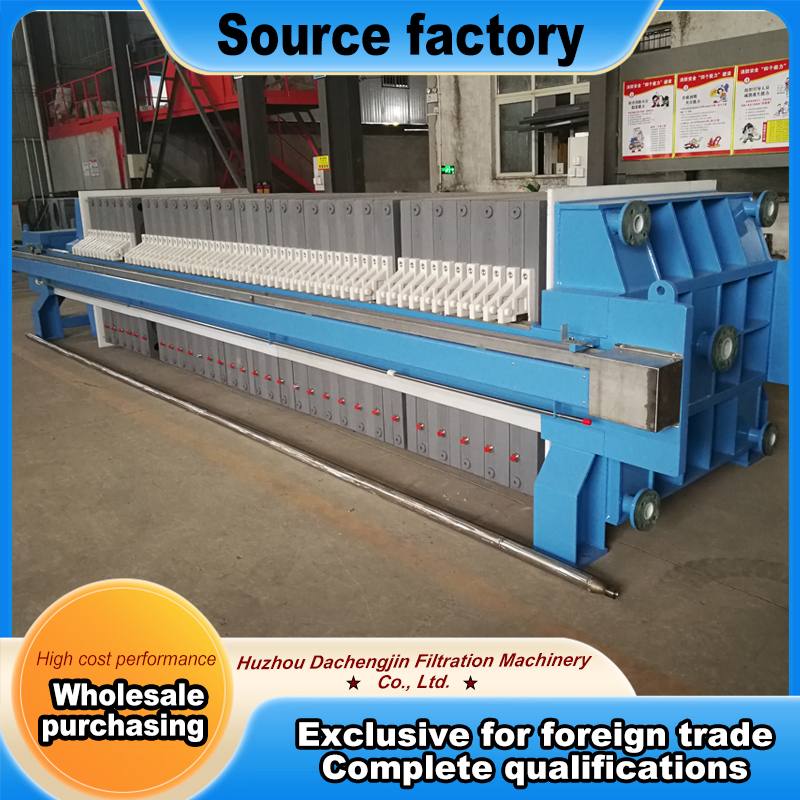
When engineering teams and procurement managers evaluate sludge dewatering equipment for large-scale projects, the decision hinges on more than just machine size. Filtration area per batch, final cake moisture, automation level, and long-term operating cost all determine whether a system delivers real value over its lifecycle. In this guide, we use the XZG1250 Hydraulic Compression Automatic Pressure-Retention Automatic Plate-Shifting Diaphragm Filter Press as a benchmark to outline the key selection criteria.
Criterion 1: Filtration Area and Chamber Volume
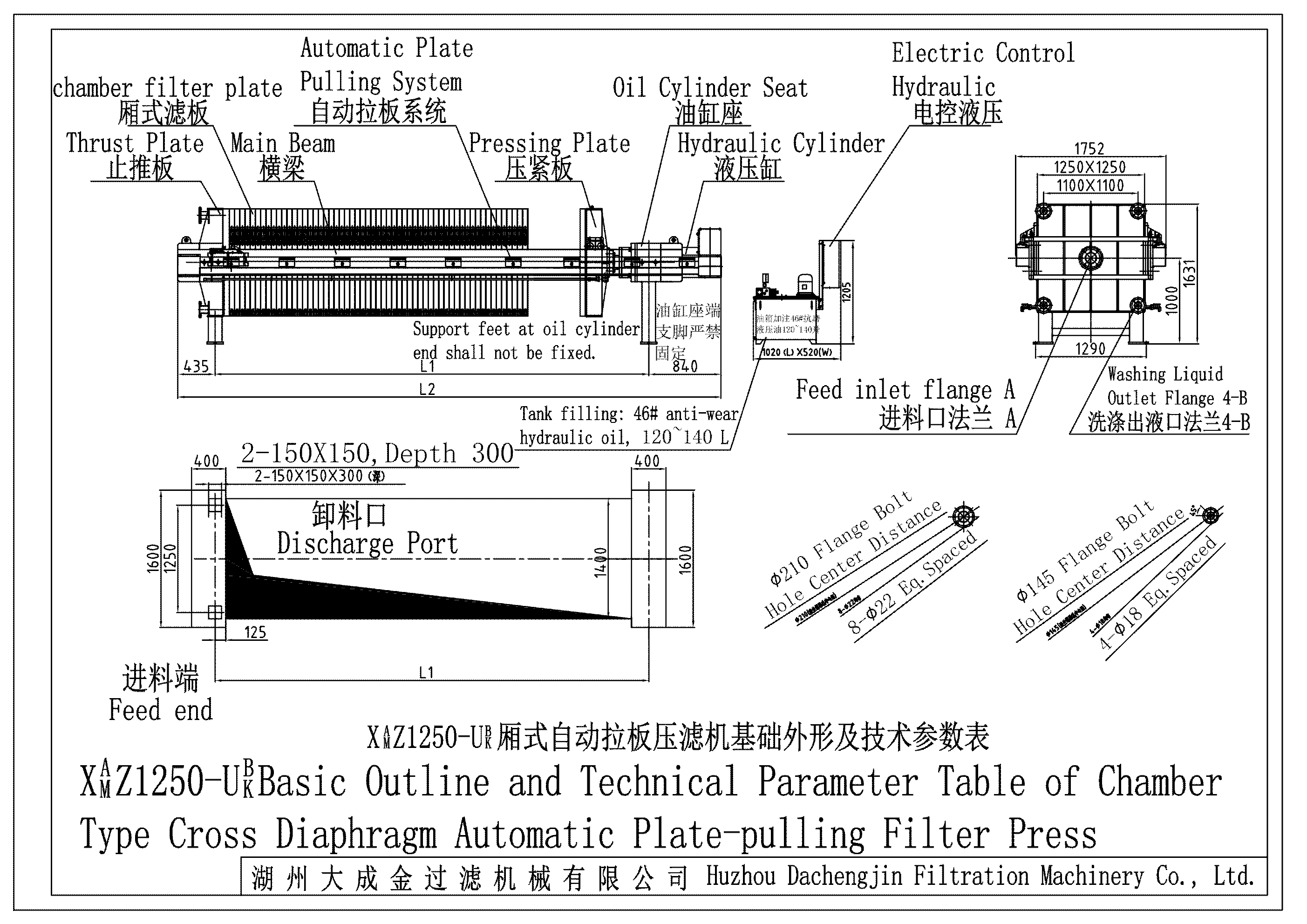
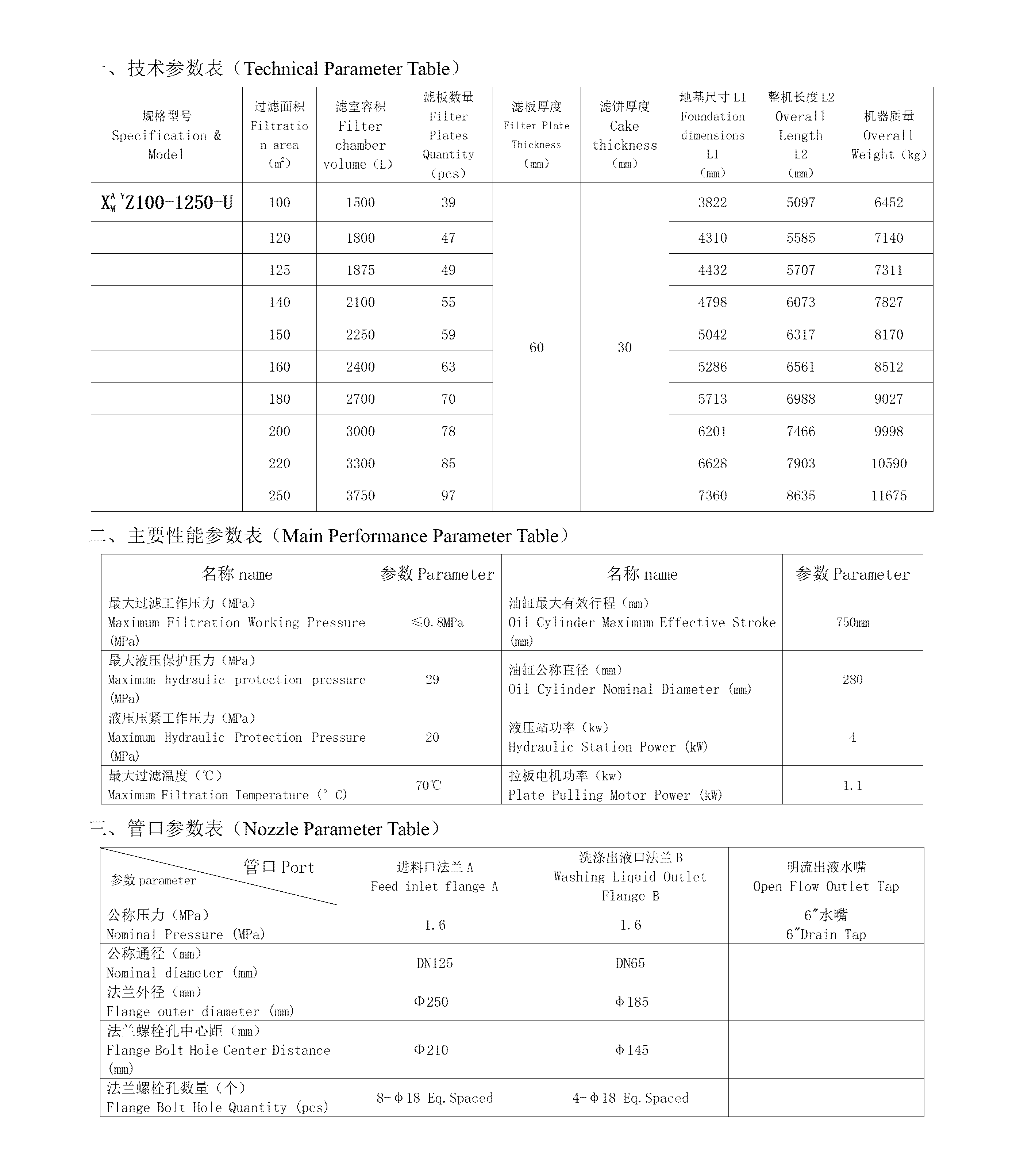
For high-throughput operations, single-batch filtration area directly dictates cycle count and daily output. The XZG1250 features 1250 × 1250 mm membrane filter plates (1250 × 1250 × 78 mm) and chamber filter plates (1250 × 1250 × 70 mm), providing substantially larger filtration area and cake capacity per cycle than 800, 900, or 1000 mm frame machines. For medium-to-large sand-washing lines, mining tailings dry stacking, and centralized municipal sludge facilities, this larger format reduces the number of cycles per day and lowers wear on hydraulic and mechanical components.
Selection tip: Calculate required daily dry-solids throughput and divide by realistic cake capacity per cycle — not by nominal filtration area alone.
Criterion 2: Membrane Squeezing and Final Cake Moisture
The single biggest differentiator between a chamber filter press and a diaphragm filter press is the high-pressure squeezing stage. After initial feed filtration compacts solids into cake, the XZG1250 injects high-pressure water or compressed air into the membrane cavity, expanding the diaphragm to apply uniform multi-directional force. This expels capillary and bound water that gravity or feed pressure alone cannot remove, producing hard, dry cakes with significantly lower moisture content.
Lower cake moisture translates directly to:
- Reduced transportation weight and cost
- Smaller storage and landfill footprint
- Lower tipping or disposal fees
- Improved handling characteristics for downstream processes
For projects where disposal cost is charged by weight or volume, deep membrane squeezing often delivers the fastest return on investment.
Criterion 3: Automation and Labor Requirements
Large-scale facilities face persistent pressure to reduce on-site labor. The XZG1250 comes standard with fully automatic plate-shifting discharge and PLC intelligent control. The entire sequence — plate compression, pressure feed, filtration, membrane squeezing, pressure release, plate shifting, and discharge — runs automatically with a single command. A single operator can manage the complete line.
Optional configurations further reduce manual intervention:
- Automatic filter cloth washing — High-pressure spray rinses residual particles to prevent clogging and maintain consistent filtration efficiency.
- Drip-tray liquid collection — Collects filtrate drips during plate shifting for a cleaner working environment.
- Filter cloth vibration — Shakes cloth to release sticky cake particles.
- Anti-drip devices — Prevents residual liquid from dripping onto discharged cake.
Selection tip: Specify automation options at the procurement stage. Retrofitting after delivery is significantly more costly.
Criterion 4: Pressure Retention and Operational Reliability
Under high-pressure feeding and squeezing, conventional machines may lose clamping force, causing plate separation, slurry leakage, and unplanned downtime. The XZG1250 incorporates real-time hydraulic pressure compensation, continuously monitoring and replenishing clamping pressure throughout the cycle. This ensures every chamber remains sealed — no plate loosening, no leakage, no spray — even during sustained high-pressure operation.
Criterion 5: Application Fit
The XZG1250 is validated across a wide range of heavy-duty industrial slurry filtration scenarios:
- Mining tailings dry stacking
- Municipal wastewater sludge reduction
- Chemical high-concentration slurry separation
- Electroplating and printing-dyeing wastewater sludge
- Medium-to-large sand-washing production lines
- Building materials powder processing
- Large-scale continuous chemical operations
When evaluating any machine, confirm that the manufacturer can provide reference cases in your specific industry and material type.
Summary: XZG1250 at a Glance
- 1250 mm large-format plates — Maximum per-batch filtration area and cake volume.
- Deep membrane squeezing — Low-moisture, hard dry cake; reduced disposal and transport cost.
- Real-time pressure retention — No leakage, no spray, reliable high-pressure operation.
- PLC one-key automation — Full cycle automatic, single-operator line management.
- Configurable options — Cloth washing, drip tray, vibration, anti-drip to match site needs.
- Proven heavy-duty applications — Mining, chemical, municipal, sand-washing, and more.
For engineering contractors, EPC firms, and industrial end-users evaluating sludge dewatering equipment, the XZG1250 provides a comprehensive benchmark for throughput, dewatering depth, and automation in large-scale industrial slurry filtration projects.
Contact our technical sales team for a detailed sizing calculation and a tailored proposal based on your feed characteristics and throughput requirements.